Phone:
08186716030
08062810763
08026898707
Physical address:
Oju Igo Bus stop, Along Ijere road, Mowe, Ogun.
Phone:
08186716030
08062810763
08026898707
Physical address:
Oju Igo Bus stop, Along Ijere road, Mowe, Ogun.
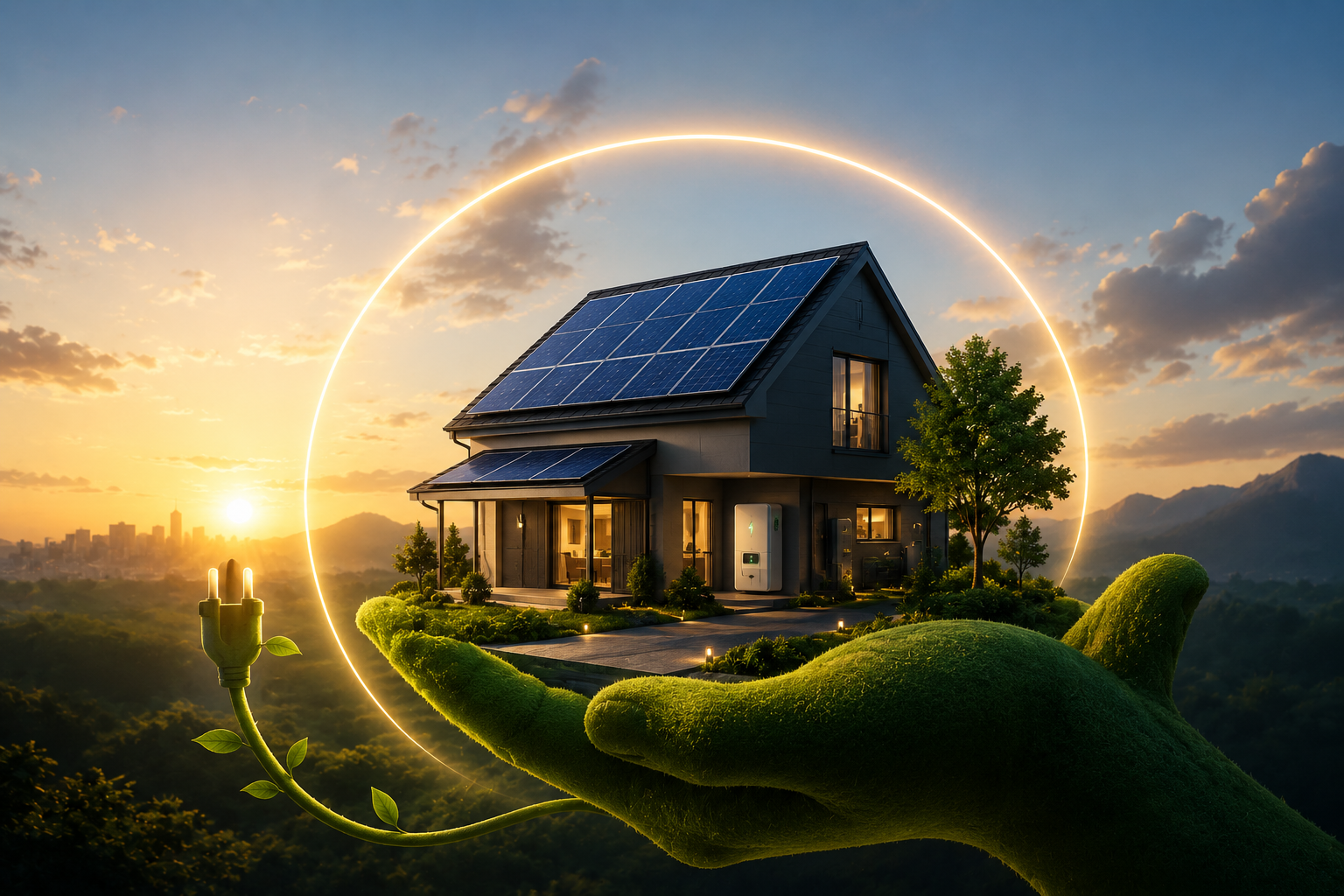
In Nigeria today, electricity is no longer something homeowners can fully rely on. Frequent power outages, rising fuel costs, and inconsistent grid supply have made stable energy a daily challenge. What used to be a backup solution—solar power—is now becoming an essential part of modern living.
Solar energy is no longer just an alternative. In Nigeria, it is quickly becoming the smartest and most reliable way to power homes and businesses.
For many Nigerians, electricity from the grid is unpredictable. Blackouts can last for hours—or even days—forcing households and businesses to depend on generators.
But generators come with serious downsides:
This is why more people are turning to solar energy—not just as backup, but as a primary power source.
Solar power gives you control over your electricity. Instead of waiting for power to be restored, your system generates energy from sunlight—something Nigeria has in abundance all year round.
With a solar system (especially when paired with batteries), you can:
In a country where power stability is a major concern, this level of independence is a game-changer.
Many people think solar is expensive—but in reality, it saves money over time.
Consider this:
Solar systems require an upfront investment, but after installation:
Over time, solar becomes far cheaper than constantly fueling a generator.
Nigeria’s climate is ideal for solar energy. With strong sunlight across most parts of the country, solar panels can generate significant power throughout the year.
Even during cloudy or rainy seasons, modern systems still produce electricity—ensuring consistent performance.
Unlike generators, solar energy is:
Reducing generator use not only cuts costs but also improves air quality and overall health—especially in residential areas.
Solar energy isn’t just for homes—it’s transforming businesses and rural communities across Nigeria.
It is being used for:
This flexibility makes solar one of the most powerful tools for development and growth.
Homes and properties with solar installations are becoming more attractive in Nigeria’s real estate market.
Buyers and tenants prefer properties with:
Installing solar is not just an upgrade—it’s a long-term investment.
“Solar is only for the rich.”
Not anymore. Systems can be customized to fit different budgets, and financing options are becoming more available.
“It won’t power my whole house.”
With proper system design, solar can power most—or all—of your home.
“Maintenance is difficult.”
Solar systems require very little maintenance compared to generators.
Energy challenges in Nigeria are not going away anytime soon. Fuel prices will continue to rise, and grid instability will remain a concern.
Switching to solar now means:
In Nigeria, solar energy is no longer optional—it is essential. It offers reliability where the grid fails, savings where fuel drains your wallet, and comfort where darkness once dominated.
The future of home energy in Nigeria is solar—and that future has already begun.