Phone:
08186716030
08062810763
08026898707
Physical address:
Oju Igo Bus stop, Along Ijere road, Mowe, Ogun.
Phone:
08186716030
08062810763
08026898707
Physical address:
Oju Igo Bus stop, Along Ijere road, Mowe, Ogun.
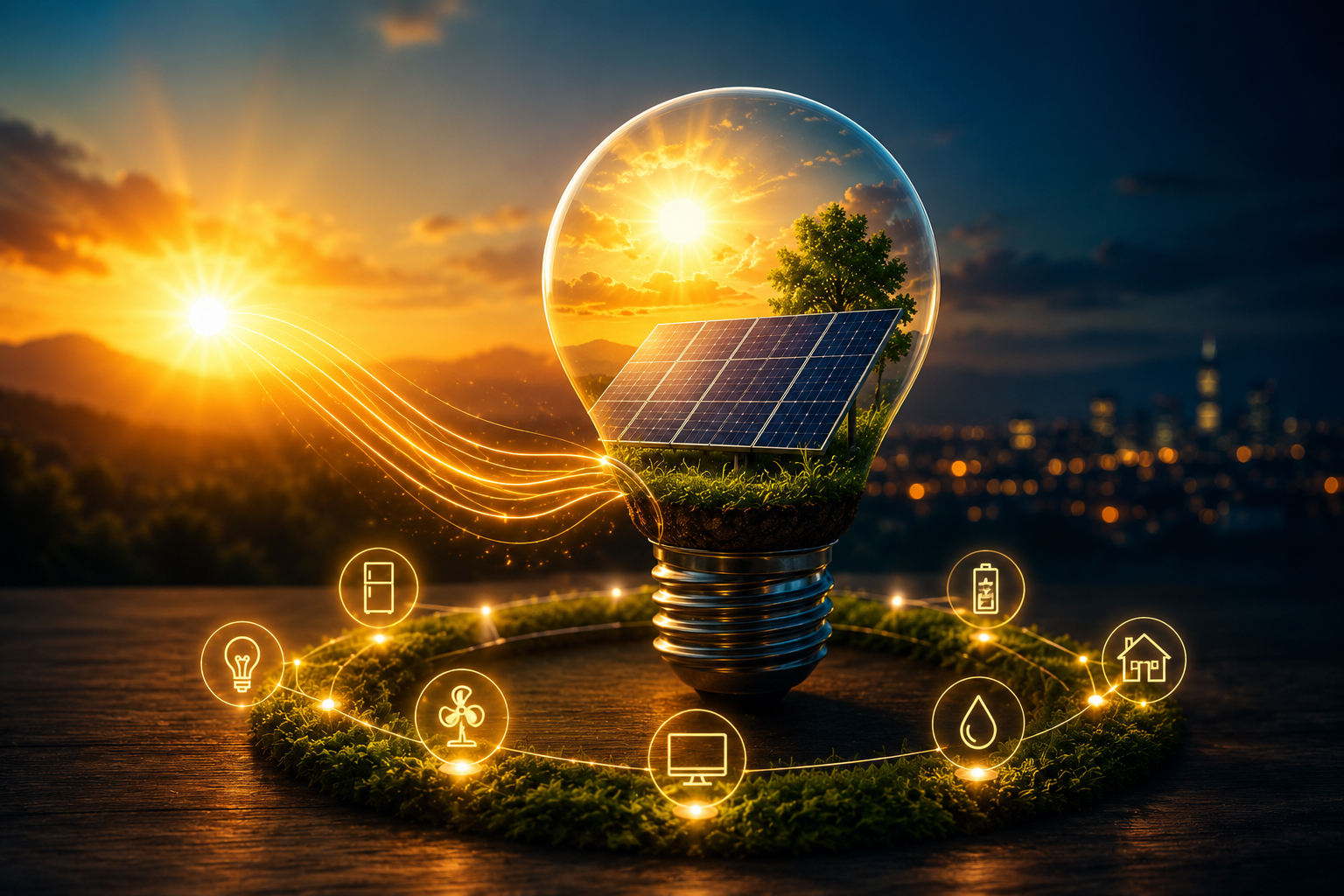
In Nigeria, where power supply can be unreliable and fuel costs continue to rise, more people are exploring a new way of living—off-grid living. This simply means generating your own electricity without depending on the national grid.
Thanks to solar technology, going off-grid is no longer complicated or reserved for a few—it’s now practical, accessible, and increasingly popular.
Off-grid living means your home is fully powered by your own energy system, typically solar. Instead of relying on NEPA or generators, your electricity comes from sunlight, stored and managed within your system.
A basic off-grid solar setup includes:
With the right setup, your home can function completely independently.
Nigeria’s energy challenges make off-grid solutions more relevant than ever.
Here’s why:
Off-grid solar removes these problems by giving you a reliable, self-sufficient power source.
Before going off-grid, it’s important to know how much electricity your home uses.
Start by listing:
This helps determine the size of the solar system you need. A professional installer can help calculate your total energy demand accurately.
Not all solar systems are the same. For off-grid living, you’ll need a system designed for full independence, which includes sufficient battery storage.
Key considerations:
A properly designed system ensures you don’t run out of power when you need it most.
Going fully off-grid doesn’t have to happen all at once. Many homeowners in Nigeria start with a hybrid approach and expand over time.
For example:
This makes the transition more affordable and manageable.
Off-grid living works best when energy is used efficiently.
Simple habits can make a big difference:
Smart usage ensures your system performs at its best.
Once your system is up and running, the benefits are immediate and long-lasting.
No more blackouts or waiting for electricity to return.
No fuel, fewer bills, and minimal maintenance costs.
No noisy generators or fumes.
You control your power—completely.
“What happens at night?”
Your batteries store energy during the day for use at night.
“What about rainy days?”
Solar panels still generate power, and batteries provide backup.
“Is maintenance difficult?”
Not at all. Solar systems require very little maintenance compared to generators.
Off-grid solar is ideal if you:
Whether you live in the city or a rural area, solar can be tailored to fit your needs.
Off-grid living is no longer a dream—it’s a practical solution for modern Nigeria. With abundant sunlight and improving solar technology, more homes are becoming energy-independent every day.
By switching to solar, you’re not just solving power problems—you’re upgrading your lifestyle.
Reliable, clean, and cost-effective energy is within reach. And with the right setup, you may never have to depend on the grid again.